Environmental Toxin Testing: Why We are Adding the Proxima Panel at Avara
Rachel Gunderson, NP · October 23, 2026
Some of my most frustrating appointments are with patients who have done everything right. Their thyroid has been checked. Their hormones are dialed in. Their standard bloodwork comes back “normal.” And they still feel tired, foggy, inflamed, or just off.
When that happens, I don’t want to guess. I want to keep looking. That’s why we’re now offering the Proxima Baseline Panel at Avara Medical, an environmental toxin blood test for patients in Provo and across Utah Valley.
What the Proxima Baseline Panel Measures
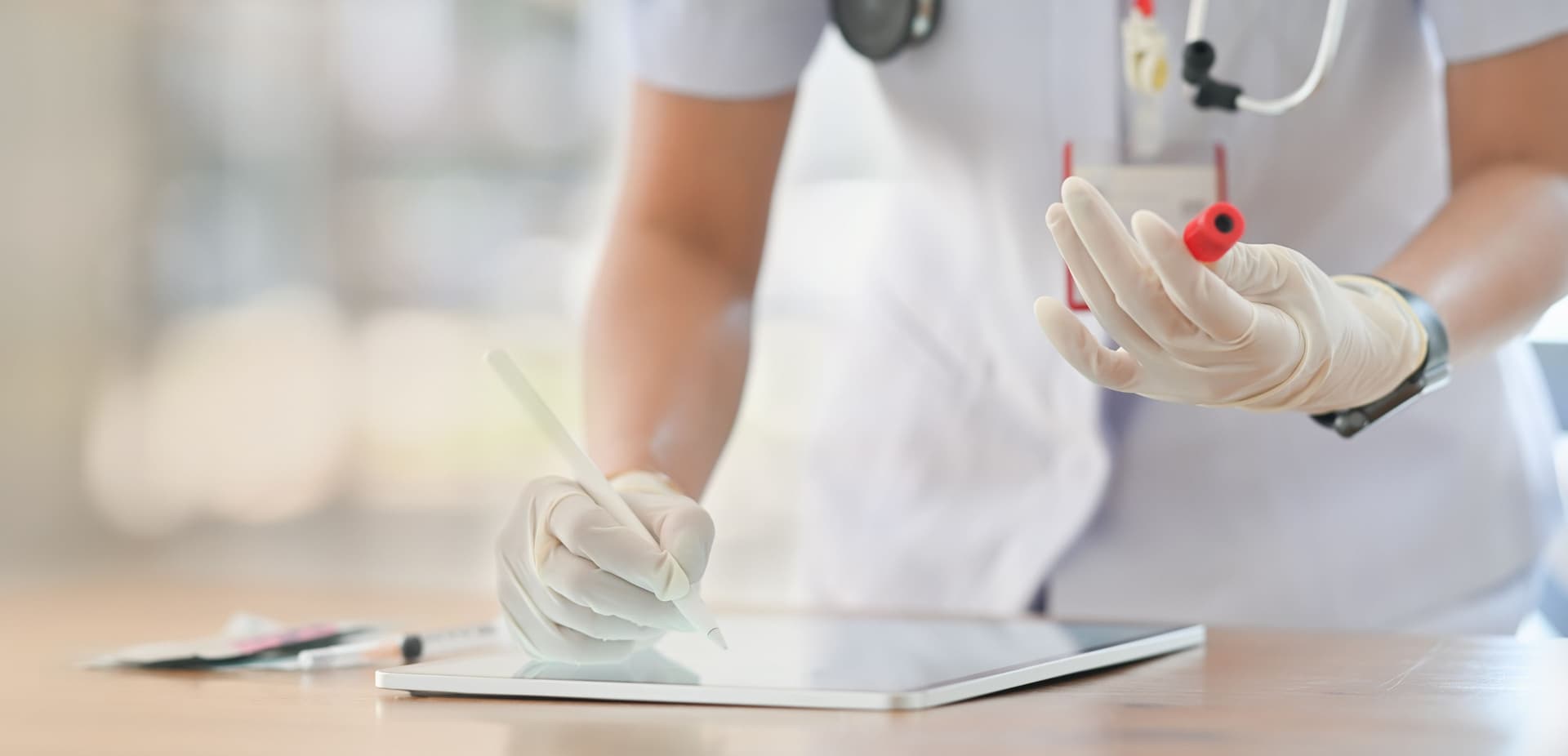
It’s a single blood draw that screens 18 of the most common environmental analytes across nine categories: heavy metals, forever chemicals (PFAS), pesticides, endocrine disruptors like BPA and phthalates, microplastics, a common mold toxin, industrial pollutants and solvents, and two persistent pathogen markers, Lyme disease and COVID spike protein.
Samples are analyzed by a CLIA-certified lab, and results typically come back in about a week. There’s no fasting and no special prep. If you’re already coming in for labs, we can usually draw it at the same visit.

Why Standard Bloodwork Misses This
Routine labs were built to look at blood counts, cholesterol, glucose, and organ function. They weren’t designed to measure environmental exposures, so most of us have no idea what we’re carrying.
These exposures add up quietly. PFAS from nonstick pans and water-resistant gear. Microplastics from packaging and synthetic fabrics. Benzene from vehicle exhaust, and anyone who has lived through a Utah County winter inversion knows clean air isn’t a given here. Research has linked many of these compounds to inflammation, hormone disruption, and metabolic changes, often long before obvious symptoms show up.
How the Proxima Panel Is Different
I looked at the other toxin panels available before choosing this one. Three things stood out.
It’s blood, not urine. Most toxin panels use urine, which largely reflects what your body is clearing. Blood shows what is circulating in your body. Both have a place, but for a baseline, I want to see what you’re carrying.
It’s broad. Most specialty tests go deep on one category, so building a full picture means stacking several tests and several bills. This covers every major category in one draw and helps us decide whether a deeper single-category test is worth your money.
It measures things others don’t. Based on what each lab publishes, none of the major urine panels currently include PFAS, legacy pollutants, microplastics, spike protein, or Lyme.

Who This Test Is For
I’m most likely to recommend the panel if you:
- Have chronic or unexplained symptoms like fatigue, brain fog, or joint pain
- Have hormone or metabolic issues that aren’t responding the way they should
- Are starting a detox protocol and want a baseline to measure against
- Have known exposures: an older home, well water, mold, or chemicals at work
- Simply want to understand what’s driving how you’re aging
What Happens After Your Results
A number on a report doesn’t change anything on its own. What matters is what we do with it.
When your results come back, we sit down together and go through them. If something is elevated, we build a plan: targeted changes to your diet, water, household products, and daily routines, plus clinical support when it makes sense. If you go through a protocol, we retest so you can see the change in your own numbers.
It’s the same approach I take with everything at Avara Medical. Find the root cause, build a plan around your biology, and keep adjusting until it works.
Get Tested in Provo
If you’ve been wondering what might be affecting your health, call our Provo clinic at (801) 999-8356 or book a consultation online. We see patients from across Utah County, including Orem, Lehi, American Fork, and Spanish Fork.
Frequently Asked Questions
It measures chemicals, metals, and other compounds from your environment that may be present in your body. The Proxima panel uses one blood draw to screen 18 analytes, including lead, mercury, PFAS, glyphosate, BPA, microplastics, and benzene.
No. There’s no fasting or special prep. At our Provo clinic, we can usually draw the panel during a regular visit.
Results typically come back within about a week. We then schedule a review visit to go through your report together and talk about next steps.
Urine tests mainly show what your body is excreting. Blood shows what is circulating in your body. For a baseline, and for retesting after a protocol, I find that view more useful. Urine testing still has a role, and we’ll talk through which makes sense for you.
It includes ochratoxin A, one of the most common mold toxins. If your history points strongly to mold exposure, I may recommend a dedicated mycotoxin panel as a next step.
Some patients have lingering symptoms after illness and want to understand what’s still going on. Spike protein can come from a past infection or vaccination, so we interpret the result alongside your history, symptoms, and other labs rather than on its own.
We build a plan together. That usually starts with reducing ongoing exposure through changes to food, water, and household products, and may include clinical support. We retest later to measure progress.
No. New patients in Utah Valley can start with a 60-minute consultation, and if testing is a good fit, we can often draw labs at that first appointment.
The cost is $499 and is not covered by insurance.
Get the answers you need today
Discover if you have been exposed to environmental toxins and what to do about it
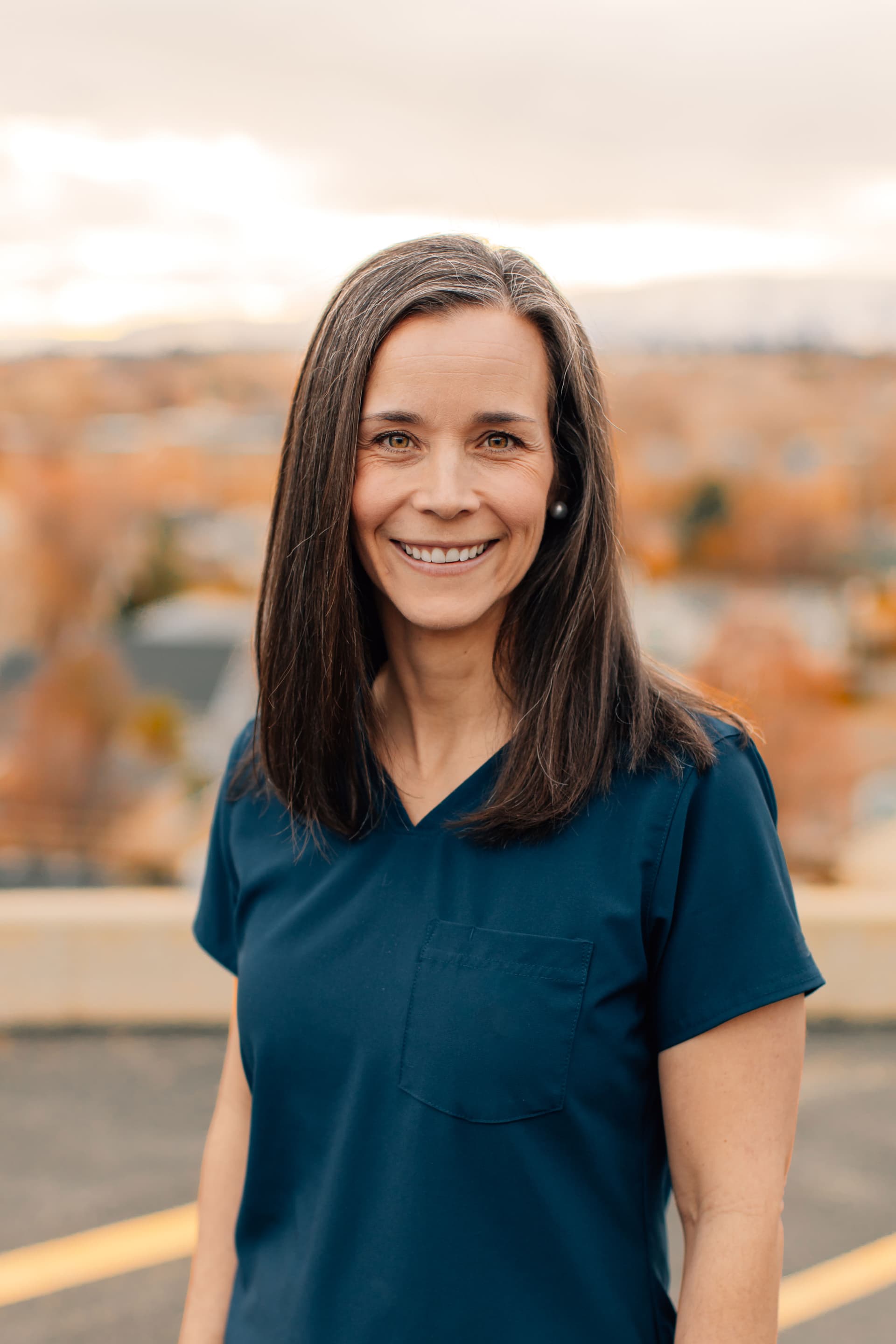
About the Author: Rachel Gunderson, NP, AGACNP, NP
Dual Board-Certified Nurse Practitioner (AGACNP & Family Practice NP) · Founder, Avara Medical · Provo, Utah
Rachel spent more than a decade caring for patients in internal medicine, cardiology, intensive care, neurology, and oncology at Houston Methodist Hospital, and in internal medicine at Utah Valley Regional Medical Center. She founded Avara Medical to practice medicine the way she believes it should work — taking time to listen, running the right labs, and building a care plan around the patient rather than a checklist.
Her clinical focus includes hormone therapy and optimization, peptide therapy and regenerative protocols, medical weight loss including GLP-1 therapy, IV nutrient therapy, and integrative functional medicine.