Hair Loss Evaluation & Treatment
Understanding What May Be Causing Your Hair Loss
Individualized Assessment & Treatment for Hair Loss
Hair loss can affect both men and women and is often influenced by hormonal balance, nutrient status, stress, and overall metabolic health. While some hair thinning is common over time, persistent or progressive hair loss may signal underlying physiologic factors that can be evaluated medically.
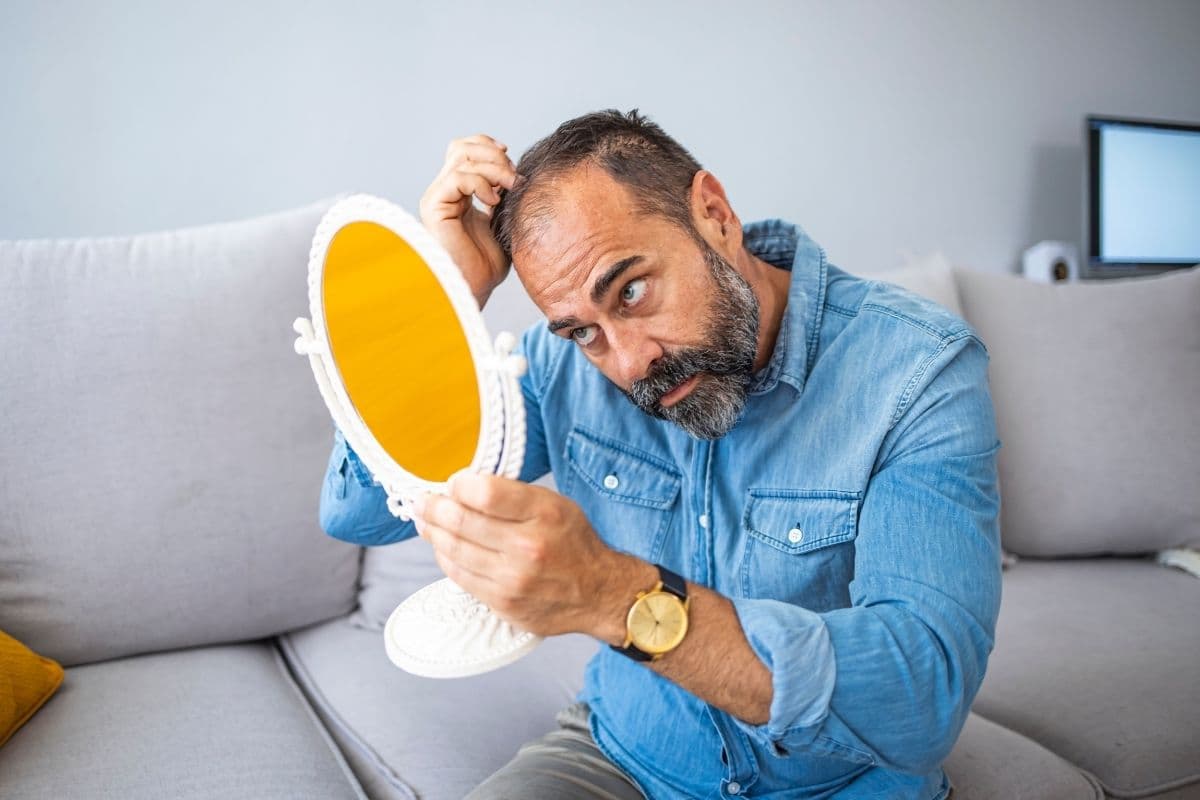
Common Contributors to Hair Loss
Men and Women Hair loss may be associated with:
Hair loss due to Hormonal imbalance
Hair loss due to Nutrient deficiencies
Stress-related shedding or hair loss
Hair loss due to Age-related hormonal changes
Metabolic or thyroid dysfunction causing Hair loss
Hair loss due to Genetic predisposition
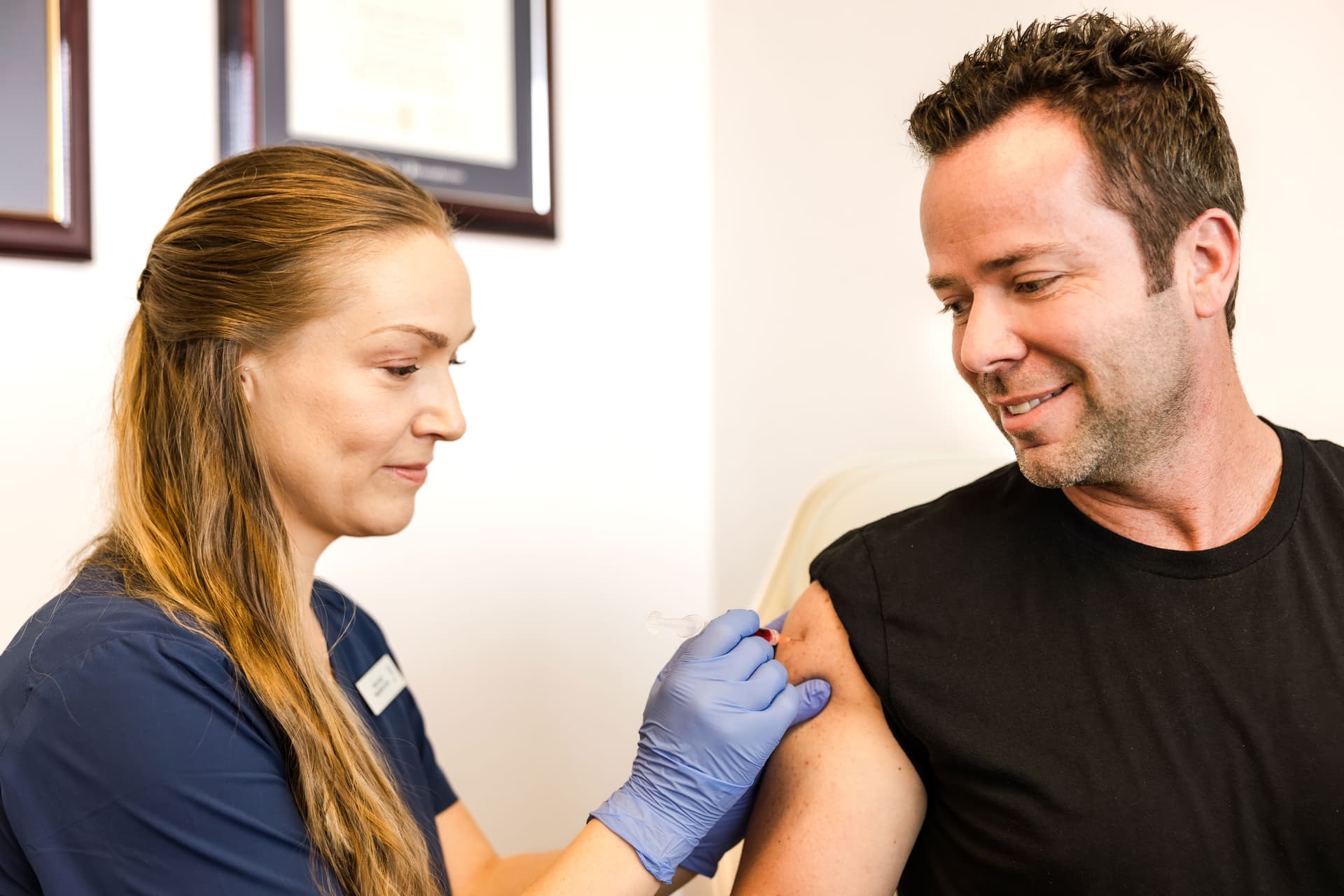
How We Approach Hair Loss
Care begins with a comprehensive consultation to understand symptoms, health history, and potential contributors to hair loss. When appropriate, evaluation may include hormone assessment or review of nutritional status.
Services That May Be Used
- Hormone Therapy when hormonal imbalance contributes to hair loss, hair thinning, or hair shedding.
- Platelet-Rich Plasma (PRP) Therapy Uses concentrated platelets from your own blood to support scalp and follicular health.
- Targeted Vitamin-Boosting Injections used to support nutrient levels associated with hair and scalp health.
- Vitamin IV Infusions Intravenous nutrient therapy used to support overall wellness and nutrient repletion when indicated.
- Nutrafol® Supplements Clinician-recommended nutraceuticals designed to support hair growth through targeted ingredients.
Who May Benefit from Hair Loss Treatment
- Men or women experiencing thinning hair or increased hair shedding
- Individuals with hormone or nutrient-related hair loss
- Patients seeking medically guided, non-surgical care options

Hair Loss Frequently Asked Questions
Hormone-related hair loss can result from thyroid dysfunction, low testosterone, estrogen imbalances, or elevated DHT. At our Provo clinic, we conduct comprehensive hormone testing to identify specific imbalances contributing to hair thinning.
Yes, our evaluation typically includes testing for thyroid function, iron levels, vitamin D, B12, zinc, and sex hormones. These labs help us identify deficiencies or imbalances that may be contributing to hair loss.
We offer hormone therapy, PRP injections for the scalp, peptide therapy, vitamin injections, IV infusions, and medical-grade supplements like Nutrafol. Treatment is personalized based on your evaluation results and underlying causes.
Yes, deficiencies in thyroid hormone, iron (ferritin), vitamin D, B12, and other nutrients are common contributors to hair thinning. Correcting these deficiencies is often an essential part of restoring healthy hair growth.
Hair growth cycles take time, so most patients begin seeing improvement within 3-6 months of starting treatment. Consistency with your treatment plan and addressing all contributing factors is key to achieving results.
Yes, we commonly work with women experiencing hair thinning related to hormonal changes, menopause, PCOS, thyroid conditions, and nutritional deficiencies. We create comprehensive, personalized treatment plans for female hair loss.
PRP injections may support hair regrowth by delivering concentrated growth factors to the scalp. This treatment is often combined with hormone optimization, peptide therapy and nutritional support for comprehensive care.
This depends on the underlying cause. If hair loss is due to a correctable deficiency or temporary hormonal imbalance, improvement may be sustained. For ongoing hormonal or genetic factors, continued treatment may be beneficial.